A Complete Guide To The Swedish Massage

When it comes to massages, we sometimes forget that there’s more than one kind. While they all involve applying pressure to the body in the hopes of easing tension, relaxing muscles, and so on, they do differ somewhat. What you get with a Swedish massage won’t be the same as with a sports massage or a Shiatsu. What is the difference, though?
If you’re looking at booking a slot at the spa and want to know all about what you’re in for, you might need a complete guide to the Swedish massage - and you’re not alone. Is it time to book one for our next trip or should we opt for something else? Hopefully, we can all have answers soon.
A Swedish massage has various techniques played out in a certain sequence
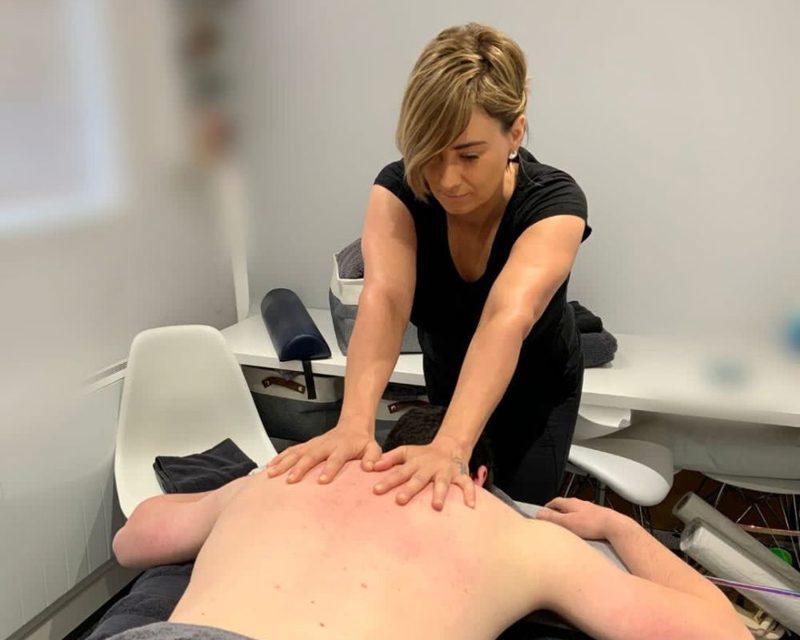
To put it simply, a Swedish massage is a classic massage that uses all the techniques you might expect. Typically, it begins with something known as effleurage, where the masseuse gently strokes your body with parts of their hands. This gradually builds up to petrissage, where they start to apply more pressure and knead your body. At times, they will apply friction, which is circular pressure usually involving the palm of the hand. There’s also vibration - movements that can shake the body - and hacking, which is the karate chop-style action you’ve likely seen before. All of this is typically carried out across an hour and hopefully gets you to feel loose and relaxed.
This massage can remove toxins, increases oxygen flow, and relieve stress
There’s a lot of good that comes from having a Swedish massage. All of the techniques mentioned above help to improve oxygen flow in your blood and consequently remove toxins from your muscles. These include things like lactic and uric acid, making it easier for you to recover quicker from muscular strain. A Swedish massage also stretches your tendons and ligaments, soothes your nervous system, and can even help improve mental health. That’s because it’s been known to lower stress, meaning it’s ideal if you’re having a tough time at work or feeling the pressure of responsibilities at home. It’s good to remember that the next time you think that a massage can only help with your physical woes.
The origins of the Swedish massage are somewhat confusing
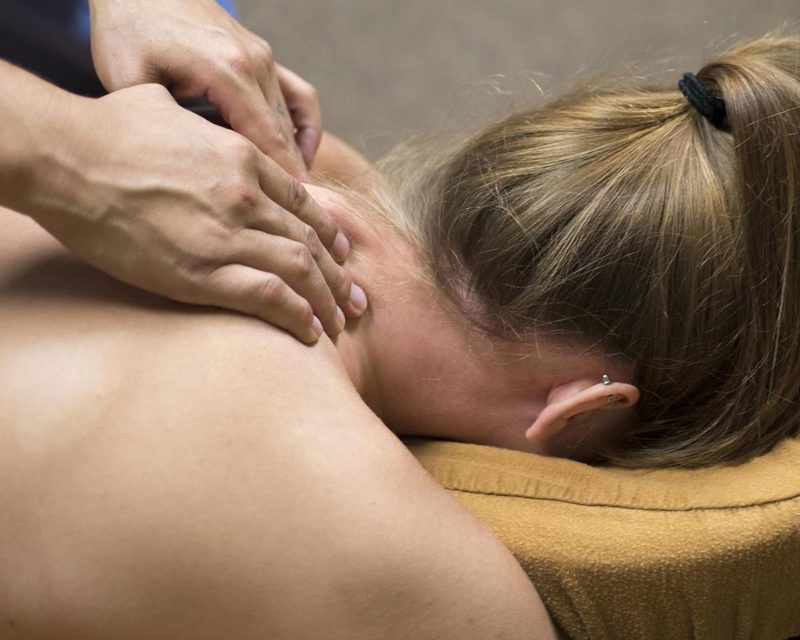
The name Swedish massage may well lead you to expect certain things. However, it seems that the origins of this name are quite confusing. Some say that it’s called this because Per Henrik Ling - a Swedish gymnast - was the one who developed it in the 1700s. Others, though, claim that Swedish massage doesn’t actually originate from this country, nor was the person responsible for it Swedish. Instead, it was allegedly a Dutch man who turned the Swedish massage into what we now know it as. Johan Georg Mezger is the supposed guy in question, making us wonder exactly what the truth is. Thankfully, it doesn’t matter where the Swedish massage began. All that matters is that it does what it’s supposed to.
If you’re feeling stressed or your muscles are tight, it might be worth visiting a spa and getting a Swedish massage. Now that you know what to expect, you don’t have to worry about any nasty surprises.
You May Also Like
 Government
How Small Civic Projects Can Reshape Neighborhoods
 Society
What Intergenerational Volunteering Gets Right
 Society
Why Repair Cafes Are Growing in Popularity