A Closer Look At Floatation Therapy

Struggling to find a good way to relax? Why not try floatation therapy? It’s been around for the best part of a century now, and it’s steadily grown in popularity over that time. Apparently, being weightless is an excellent way to unwind, and that’s just what this therapy can offer.
What exactly is floatation therapy, though, and what benefits can it really provide? Taking a closer look at floatation therapy should answer any questions to find out if it’s the right thing so many of us need in our lives. After all, it’s a little more outside the box than other therapies so many people are used to trying.
What does floatation therapy involve?
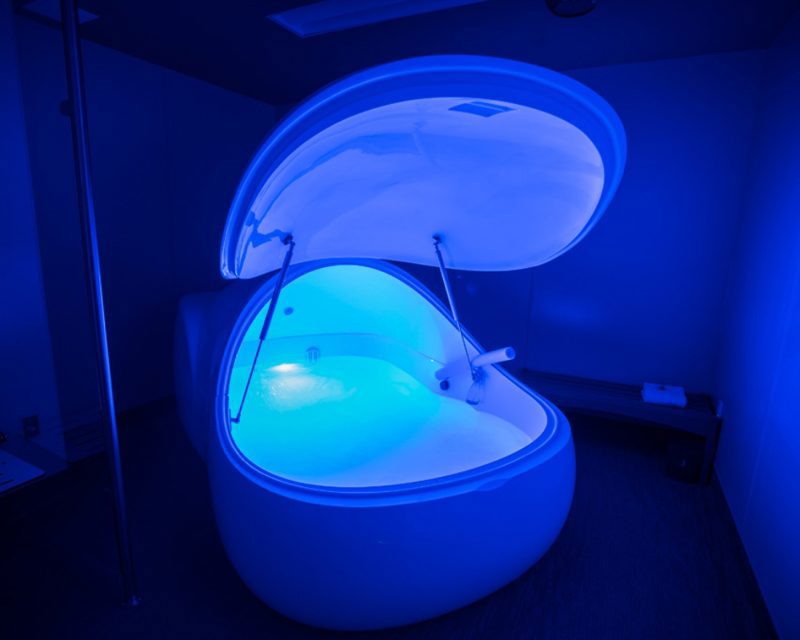
If you’ve ever watched the episode ‘Make Room for Lisa’ from the animated series ‘The Simpsons,’ you may well have a decent idea of floatation therapy already. The episode sees Homer and Lisa lying in sensory deprivation tanks where they float in water and can’t see or hear anything going on outside. That’s basically how this therapy works, with people typically lying in roughly nine inches of water inside a dark tank. Some of these tanks are designed to have light switches, speakers, and microphones, but this isn’t always a guarantee. A person will typically spend around 50 minutes inside one, with the warm salt water keeping them buoyant throughout that time.
How did floatation therapy come about?
Floatation therapy is hardly new. It stems from research conducted by John Lilly back in the 1950s, who had an interest in sensory deprivation. They learned that weightlessness and removing all stimuli that can trigger a person’s senses could have a significant impact on therapeutic relaxation. This soon developed into a real practice that has seemingly helped people to find inner peace over the years. Supposedly, the tank allows a person’s senses to rest while the weightlessness lets the body balance and heal itself. While some might believe that this is too good to be true, research indicates that it does work for people. However, some may have more success with this therapy than others.
What benefits does floatation therapy provide?
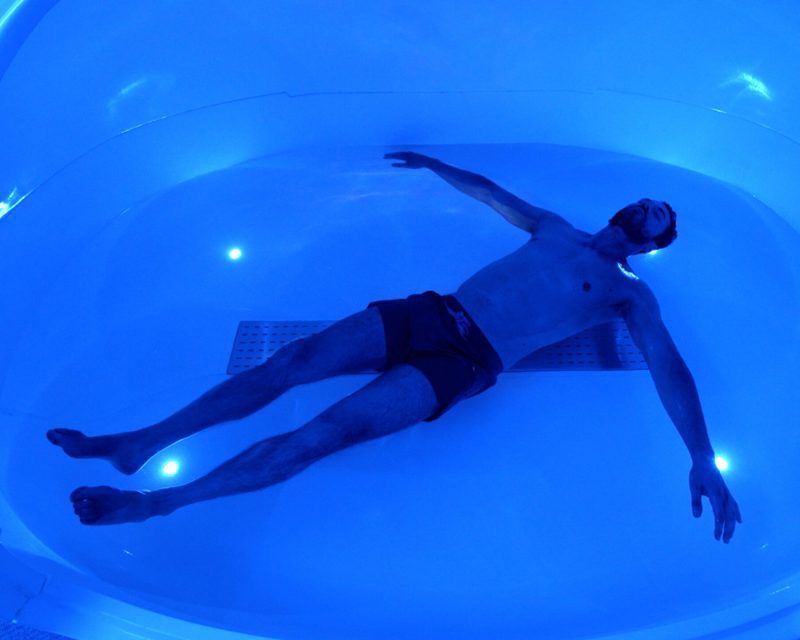
Being able to truly relax is enough of a reason for some to want to try floatation therapy. However, this practice does more than just help you to unwind. It can also reportedly lower a person’s blood pressure and heart rate, as well as reduce the production of stress-related chemicals like cortisol. Furthermore, some find that floatation therapy helps to cope with various aches and pains because it supposedly aids with blood circulation. Stress, anxiety, jet lag, headaches, heart conditions, arthritis, fatigue, and high blood pressure are all issues that this therapy can help to treat or soothe. Plus, it’s said that spending an hour in one of these tanks is as restorative as four hours of sleep. So, if you’re not catching enough Z’s at night, some floatation therapy could prove beneficial.
Floatation therapy is not a miracle cure, nor does it help everyone in the same way. However, the evidence certainly suggests that spending some time being weightless in a tank could do you some good. So, if you’re intrigued by this practice, why not give it a try?
You May Also Like
 Government
How Small Civic Projects Can Reshape Neighborhoods
 Society
What Intergenerational Volunteering Gets Right
 Society
Why Repair Cafes Are Growing in Popularity