How To Help Your Body Beat Caffeine Withdrawal

Many people can’t get enough of caffeine, to the point that they rely on it to get them through the day. That isn’t always the healthiest way to live, which is why cutting this stuff out of your diet is often recommended. However, that’s easier said than done, given that giving caffeine up can leave someone with a bunch of withdrawal symptoms.
Trying to overcome these alone can be tough, with plenty of people turning back to caffeine to make them disappear. However, you don’t need to be stuck in the cycle of ditching caffeine and then crawling back when the symptoms kick in. Instead, you just need to know how to help your body beat caffeine withdrawal, which you can do with these six tips.
1. Easing yourself off caffeine should make you less irritable
It’s not just you that can suffer when you give up caffeine. As this stuff tends to increase the number of dopamine receptors in your brain, there’s a greater chance of irritability when you ditch it. For those around you, that means treading carefully lest they risk upsetting you in your sour mood. To save people the hassle of doing this, the best solution seems to be avoiding going cold turkey. By trying to ease yourself off caffeine slowly, you’ll help your body continually adjust to the change, reducing the impact of withdrawal symptoms like this.

2. Fight fatigue with plenty of sleep, water, and exercise
A major reason people take caffeine in the first place is to keep them awake. So, if you suddenly deprive your body of this stuff, it’s only natural that fatigue will set in. Although you’ll adjust to the change soon enough, it could be over a week before you start to feel properly energized without any caffeine. That’s far from ideal, which is why it’s worth finding a few ways to fight the fatigue. A regular sleep schedule, plenty of exercise, and staying hydrated can all help with this, and they’ll also ensure your new lifestyle is a much healthier one.
3. Concentration and other cognitive abilities also benefit from these lifestyle changes
If you ensure you’re getting plenty of sleep, water, and exercise, it won’t just be fatigue that you’ll help to fight. Another problem that can emerge when you ditch caffeine is a decrease in concentration, along with issues around problem-solving, memory, and more. This is because drinking caffeine tends to improve these cognitive areas, so giving it up will naturally affect those abilities. Luckily, things like exercise and sleep can improve brain function and ensure these areas aren’t impacted by withdrawal symptoms. Alternatively, you could try coming off caffeine in small increments as opposed to going cold turkey.

4. Over-the-counter pain relief can help to tackle headache
One of the most common withdrawal symptoms that pops up when you give up caffeine is headaches. These can make it tough to get on with your daily activities, potentially interfering with your ability to work at your job. Rather than suffer through the pain or turn back to caffeine to get your focus back, simply buy some over-the-counter pain relief. These will help to numb the pain while your body adjusts to the lack of caffeine. Apparently, the headaches are caused by blood vessels dilating without any caffeine to constrict them, meaning you get a rush of blood to your brain.
5. Medication could also help to battle feelings of nausea
Another common and unfortunate withdrawal symptom when you give up caffeine is nausea, with plenty of people feeling like they have the flu. Again, this can really get in the way of day-to-day life and make things pretty miserable as your body tries to adjust to the lifestyle change. Thankfully, over-the-counter medication can once again help out here. Antiemetic medications should battle any queasy feelings you might be experiencing so you can get on with whatever’s on your plate. Acupressure, ginger supplements, and other natural remedies could also be beneficial.
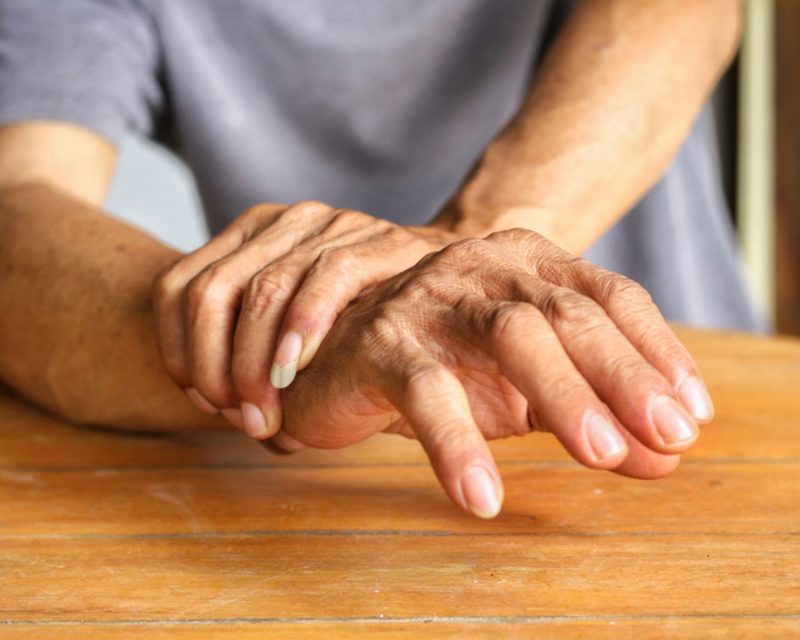
6. Managing your stress can reportedly help to deal with hand tremors
Hand tremors are a symptom that many people associate with withdrawal, and not just from caffeine. They sometimes seem inevitable when choosing to stop using a certain substance. However, that doesn’t mean they have to ruin your life until your body adjusts to the changes you’ve introduced. Apparently, reducing stress can go a long way to helping keep any tremors under control. While scientists reportedly don’t know why giving up caffeine causes this uncontrollable shaking, combating stress has supposedly proven to stop the symptom from getting out of hand.
Although withdrawal symptoms only tend to last two to nine days, dealing with them for just a few hours can be a nightmare. Luckily, it seems that making other healthier lifestyle changes and decreasing your caffeine intake slowly can make a world of difference. As long as you keep these in mind, removing this substance from your daily life should hopefully be a walk in the park.
You May Also Like
 Government
How Small Civic Projects Can Reshape Neighborhoods
 Society
What Intergenerational Volunteering Gets Right
 Society
Why Repair Cafes Are Growing in Popularity