Top Tips For Adjusting To A Life Of Retirement

Retirement is supposed to be one of the most exciting periods of your life. Sure, it usually doesn't come until your later years, but it saves you from the burden of working all the time. Unfortunately, while it might seem like something to look forward to, not many people actually know what to do with themselves once they retire.
Plenty of retirees struggle to fill the time once they no longer have a job, with some questioning who they are now that they don't have work to define them. Others struggle with their mental health, particularly those whose financial situation might not be ideal once they retire. Thankfully, this isn't how things have to be. We've got some top tips for adjusting to a life of retirement so that this new adventure can be a blessing instead of a curse.
Establish a routine of sorts to help you cope without work
One of the reasons that retirement can throw so many people off is that there's no routine to it. You don't need to wake up at a specific time to then spend so many hours a day doing something. While that might initially seem like a blessing, the lack of structure can make your days start to blur into one another. So, it's worth considering setting up a schedule of sorts once you retire. It doesn't need to be a strict one, but having a routine of sorts should help you to cope when there's no job to go to.

Let your emotions out rather than bottling them up
Not everyone is the best at expressing their emotions. However, it's essential that you don't bottle things up when you retire. You'll inevitably go through a variety of emotions once you don't have to work anymore, including relief, happiness, sadness, boredom, anxiety, and potentially many others. Don't let the negative emotions get to you because they may push you toward unhealthy coping strategies. Instead, speak to someone if you're struggling and find positive outlets for your emotions, such as writing or yoga.
Set yourself some goals, so you have something to work towards
Having goals is great at any age. They give you something to work towards and ensure you find purpose in the things that you do. That can be incredibly helpful once you retire and don't have the goals that used to keep you going at work. The goals that you set are entirely up to you, as is the time limit. Maybe you want to try and read one book a fortnight, or you wish to lose two pounds every month. As long as it's something you genuinely want to do, it should do you some good.

Forge and strengthen your friendships once you retire
Isolation is a serious issue that affects many people once they retire. It's particularly problematic if you live alone, which is why it's so important to focus on your friendship bonds once work is out of the way. Make an effort to try and connect with the people you care about every week, whether that be meeting for a coffee, going for a walk, or simply talking on the phone. If you don't have many people to reach out to, consider joining a social club and making some new friends. Having these connections will make your retirement much less lonely.
Establish a new budget to accommodate the loss of a monthly wage
Money is often one of the biggest worries that people deal with when they retire. Although they still have funds coming in, this tends to be much less than what they were making before retirement. So, it's worth thinking about a budget in advance so that the change in finances doesn't hit too hard. Work out how much is needed for essentials and what that leaves for the fun stuff. It may help to start living by this budget before retirement happens so that you can ease into it while there's still the safety net of a monthly wage.

Getting a part-time or volunteer job will be ideal for some
For some people, retirement simply doesn't turn out to be the dream they thought it would. However, they have no desire to return to the grind of working the nine-to-five. What are they supposed to do? Well, there is always the option of getting a new job, but one that's much less demanding than their original one. This might mean a part-time position somewhere or perhaps volunteering once or twice a week for a cause they care about. It's an excellent way to stay busy without feeling like your life revolves around work.
People spend so many years working towards retirement that it can be incredibly disheartening when it doesn't live up to expectations. However, these tips should hopefully ensure that this major change in your life doesn't turn out to be a disappointment.
You May Also Like
 Government
How Small Civic Projects Can Reshape Neighborhoods
 Society
What Intergenerational Volunteering Gets Right
 Society
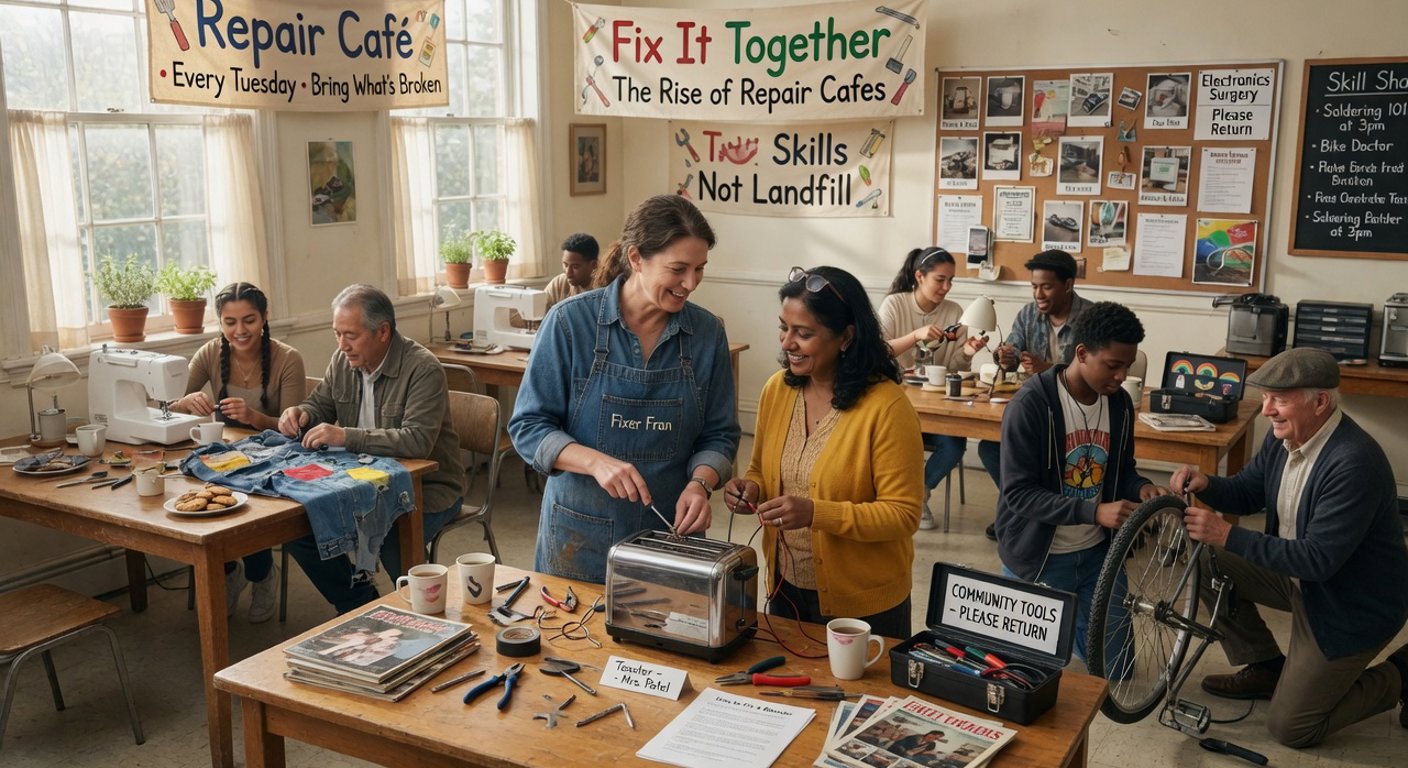
Why Repair Cafes Are Growing in Popularity